Measuring AI Impact on Small Business Sales
Measuring the impact of AI on small business sales involves tracking specific metrics and assessing strategy effectiveness. Implement AI tools strategically to boost your sales growth.
The AI impact on small business sales is increasingly important in today’s rapidly evolving market landscape. As many small businesses strive to improve their operational efficiency and boost revenues, leveraging artificial intelligence has become a vital strategy. But understanding the effectiveness of these AI implementations can be complex. In this article, we’ll explore practical methods to measure AI's impact on small business sales, providing you with actionable insights and real-world examples.
Introduction to AI in Small Business Sales
Artificial intelligence is transforming numerous sectors, and small businesses are not exempt from these advancements. From customer service automation to targeted marketing strategies, AI offers tools to optimize various aspects of business operations. The challenge for many small business owners, however, lies in effectively measuring the impact of these technologies on their sales productivity and revenue growth.
For instance, an efficient AI-driven sales strategy can significantly shorten the sales cycle by automating mundane tasks, allowing salespeople to focus on high-value activities that drive business sales growth. Technologies like chatbots, predictive analytics, and customer relationship management (CRM) automation with platforms such as Sanddex illustrate how AI can streamline processes and enhance decision-making for small enterprises.
Key Metrics for Measuring AI Impact
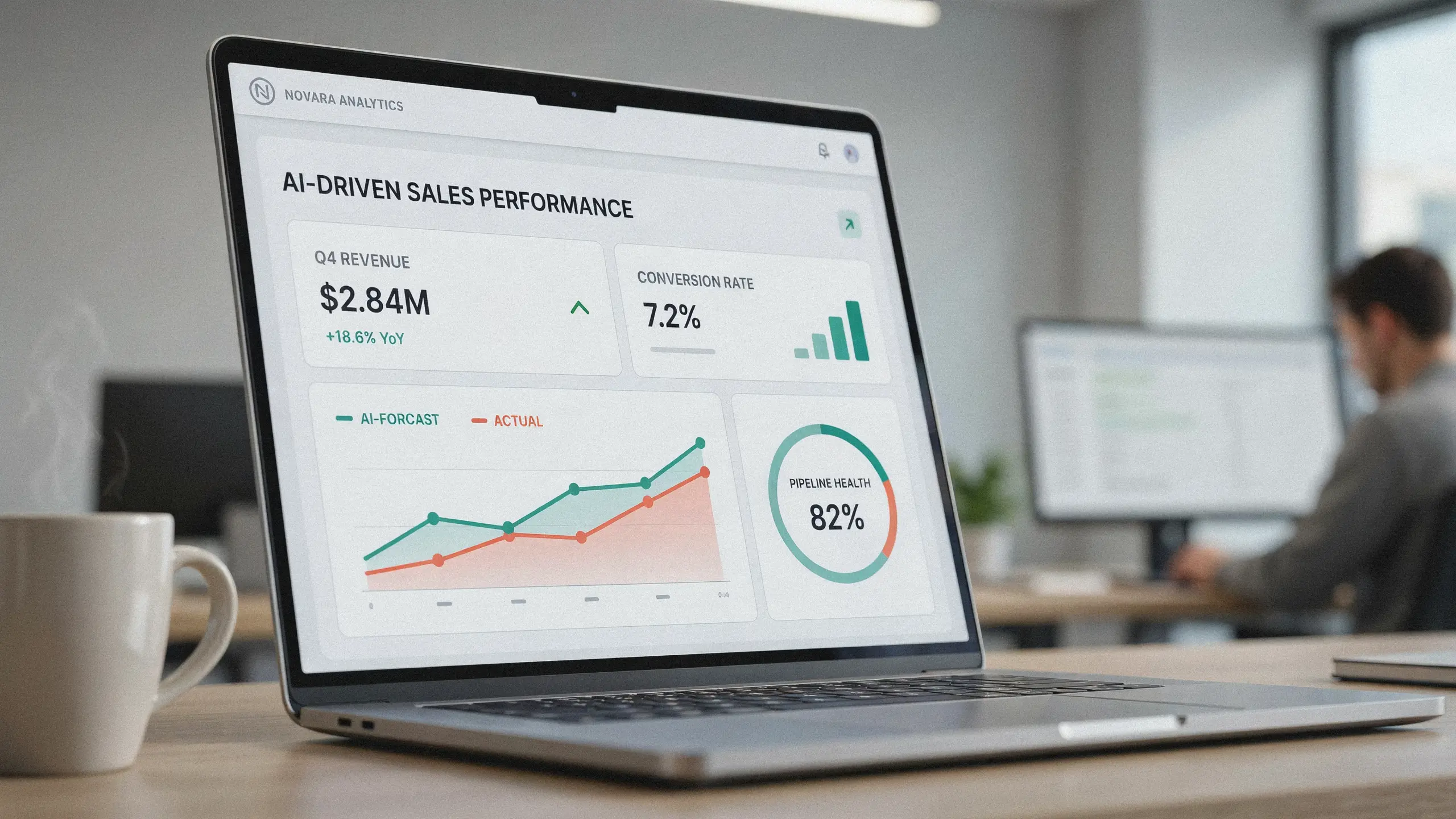
To accurately evaluate the AI impact on small business sales, it's imperative to focus on specific key metrics that illustrate effectiveness. These metrics include:
- Sales growth percentage
- Conversion rates from leads to customers
- Customer engagement levels
- Retention rates post-AI implementation
- Cost savings from automation
By analyzing these metrics over time, businesses can gauge the effectiveness of their AI sales strategies. For instance, comparing sales figures before and after deploying AI can show tangible benefits and justify the investment in technology.
Case Studies: Successful AI Implementations
To highlight the practical results of AI impacts, consider the following case studies from small businesses that have successfully integrated AI into their sales processes:
One retail company increased their online sales by 30% after implementing AI-driven product recommendations, showcasing how smart analytics can drive consumer purchases.
In another example, a small financial services firm utilized AI chatbots to handle customer inquiries. This resulted in a 50% reduction in response time, greatly enhancing customer satisfaction and engagement. These implementations demonstrate how AI can be leveraged for sales enhancements regardless of the industry.
| Business | AI Implementation | Result |
|---|---|---|
| Retail Company | AI-driven Product Recommendations | 30% Increase in Online Sales |
| Financial Services Firm | AI Chatbots for Customer Service | 50% Reduction in Response Time |
Challenges in Measuring AI Effectiveness
While measuring the AI impact on small business sales can provide valuable insights, several challenges complicate the process:
- Lack of clear data on AI influence
- Integration issues with existing systems
- Determining the ROI on AI tools
Furthermore, many small businesses may lack the resources or expertise to effectively measure AI effectiveness. These challenges can hinder decision-makers from fully understanding the return on their investments in AI and automation.
Best Practices for AI Strategy Evaluation
To overcome the aforementioned challenges, it's critical to adopt best practices that facilitate effective evaluation of AI strategies:
- Establish clear goals for AI implementations
- Regularly review performance metrics
- Utilize software like Sanddex for integration and data analysis
Emphasizing transparent communication within teams and gathering customer feedback regularly can also enhance the evaluation process. By doing so, businesses can adapt their AI strategies effectively, ensuring that they remain aligned with their sales objectives.
Conclusion and Future of AI in Sales
The AI impact on small business sales is profound and will continue to grow as technology advances. By effectively measuring AI's effectiveness in their sales strategies, small businesses can leverage data-driven insights to enhance customer engagement, improve sales processes, and achieve sustainable business growth.
As we move forward, companies that embrace AI and integrate sophisticated automation tools will likely lead their respective markets. Businesses looking to witness the full potential of AI in their sales processes should consider exploring opportunities through automation with platforms like Get a Free Consultation.
Frequently Asked Questions
How can small businesses measure the effectiveness of AI in sales?
What are some successful AI sales strategies for small businesses?
What challenges do small businesses face when measuring AI impact on sales?
Ready to automate this in your business?
Book a free strategy call or get a tailored quote from our team.


